Understanding IPTV: What is it and How Does It Work?
Internet Protocol Television (IPTV) has revolutionized how we consume media, providing a compelling alternative to traditional cable and satellite television services. By delivering live television and on-demand content over the internet, IPTV allows users to watch their favorite shows, movies, and sports events anytime, anywhere. This technology has gained immense popularity in recent years, especially in Italy as viewers look for more flexible and affordable viewing options. As we approach 2026, understanding the intricacies of IPTV, including its benefits and functionalities, is essential for potential subscribers and service providers alike. When exploring options, test iptv services to ensure quality and compatibility before committing to a subscription.
Definition and Basics of IPTV
IPTV is defined as the delivery of television content over the internet rather than through traditional terrestrial, satellite, or cable formats. The content is transmitted using Internet Protocol (IP) technology, which allows for interactive features such as video on demand (VOD), catch-up TV, and live streaming. With IPTV, users can enjoy a vast library of channels and programs, often including unique or niche offerings that aren't available through standard cable packages.
How IPTV Differs from Traditional TV
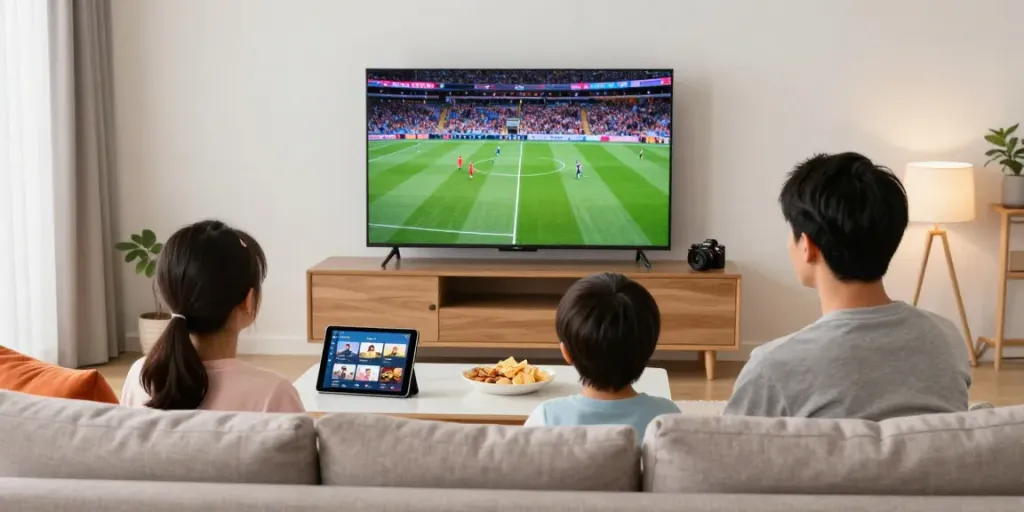
One of the primary differences between IPTV and traditional television is the delivery method. While traditional TV relies on radio waves or satellite signals, IPTV streams content over a broadband internet connection. This fundamental shift enables greater flexibility, allowing users to watch TV on various devices, including smartphones, tablets, smart TVs, and computers. Additionally, IPTV often provides more personalized viewing experiences, as viewers can access on-demand content and choose what to watch and when. Furthermore, IPTV services can offer higher picture quality, particularly with the advent of 4K streaming.
Common IPTV Terms Explained
- VOD (Video on Demand): Content that can be watched at any time, rather than at scheduled broadcasting times.
- M3U: A file format that provides a list of IPTV channels and their URLs.
- Xtream Codes: A management panel that some IPTV service providers utilize for account management and stream delivery.
- EPG (Electronic Program Guide): A digital guide that provides information about scheduled TV programming.
The Importance of Testing IPTV Services before Subscription
Before subscribing to any IPTV service, it's crucial to conduct a thorough test to evaluate quality and reliability. Many potential customers overlook this step, leading to frustration and dissatisfaction later on. Testing allows viewers to assess the service's streaming quality, channel availability, and compatibility with their devices. It's advisable to utilize reliable test iptv to ensure optimal performance before making a financial commitment.
Why Conduct a Test IPTV Check?
Testing an IPTV service before subscribing is essential for various reasons. First, it helps to determine if the service meets your specific needs, such as the availability of desired channels and content. Second, it offers insights into the streaming quality, including resolution, buffering issues, and overall performance during peak usage times. Lastly, testing can reveal whether the service is compatible with your devices, helping you avoid the hassle of purchasing a subscription only to find that it doesn't work on your preferred platform.
Indicators of a Quality IPTV Service
- High Uptime: A reliable IPTV service should boast an uptime of 99.9% or higher, ensuring minimal disruptions.
- Channel Variety: A good IPTV provider will offer a wide range of channels, including sports, movies, and international options.
- Customer Support: Access to 24/7 customer support can be a significant indicator of a quality service, allowing for quick troubleshooting if issues arise.
- Positive Reviews: Checking reviews and testimonials from current users can provide valuable insights into the service's reliability and performance.
Common Mistakes During Testing
Many users make common mistakes when testing IPTV services that can lead to incomplete evaluations. One typical error is not testing during peak hours, which may not provide an accurate representation of performance during high-traffic times. Additionally, neglecting to try various devices and platforms can result in overlooked compatibility issues. Lastly, failing to check for all promised features, such as EPG and VOD, can lead to dissatisfaction post-subscription.
How to Effectively Test IPTV Services
Step-by-Step Guide to Test IPTV
Testing an IPTV service can be straightforward if you follow a structured approach:
- Choose a Service: Select an IPTV provider that offers testing options, such as a free trial or a short-term subscription.
- Set Up Your Devices: Ensure that you have the necessary hardware and software ready, including any specific IPTV apps or players recommended by the provider.
- Run the Test: Evaluate the streaming quality across different devices and during various times of the day to check for consistency.
- Assess the Channel Lineup: Explore the available channels to verify that they meet your needs.
- Check for Support: Utilize customer support options during the testing phase to gauge their responsiveness and helpfulness.
Recommended Tools for Testing
Several tools can assist in evaluating IPTV services effectively:
- IPTV Checker: This tool allows users to test the status of M3U playlists, checking for stream health and channel availability.
- Speed Test: Use speed testing apps to ensure your internet connection meets the requirements for streaming IPTV content, especially for high-definition and 4K programming.
- Network Analyzer: These applications can help diagnose any local network issues that may affect streaming performance.
Interpreting Test Results
After running your tests, it's essential to analyze the results critically. Look for indicators of performance such as streaming quality (buffering, resolution clarity), reliability (uptime), and overall satisfaction with the channel selection. If you find that certain channels frequently buffer or if the resolution drops significantly, these are red flags that may affect your viewing experience in the long term.
Choosing the Right IPTV Service for Your Needs
Factors to Consider When Selecting an IPTV Provider
It’s crucial to evaluate several factors when selecting an IPTV provider. Consider the following:
- Channel Selection: Ensure the service includes your favorite channels and genres.
- Pricing Plans: Compare pricing options and see if they align with your budget while still fulfilling all your viewing needs.
- Device Compatibility: Check that the service works on your specific devices, including smartphones, tablets, and smart TVs.
- Customer Support: A responsive support team is essential for resolving issues and answering questions.
Comparative Analysis of Popular IPTV Services
A comparative analysis of IPTV services can help clarify the best options available. For instance, some services excel in live sports coverage, while others may be better suited for movie lovers or families looking for diverse family programming. Always weigh the pros and cons based on user feedback and personal needs.
What Real Users Say About Their IPTV Experiences
User reviews can provide invaluable insights into the reliability and performance of IPTV services. Look for consistent themes in reviews—such as heavy buffering, poor customer service, or high-quality streaming—to make an informed decision. Engaging with community forums or social media groups can also help gather firsthand experiences from current users.
Future Trends in IPTV for 2026 and Beyond
Predicted Developments in IPTV Technology
As we move deeper into 2026, several trends in IPTV technology are expected. Enhanced streaming quality, integration of artificial intelligence (AI) for personalized viewing experiences, and the rise of cloud-based solutions are on the horizon. Additionally, the ability to integrate interactive features, such as live polls or voting during broadcasts, could change how viewers engage with content.
Impact of 5G on IPTV Streaming Quality
The rollout of 5G technology is set to transform IPTV services by providing faster speeds and reduced latency. This advancement will enhance streaming quality, especially for 4K content, allowing for smoother playback and an overall better user experience. As more regions adopt 5G, IPTV providers will increasingly leverage this technology to attract subscribers seeking high-quality streaming options.
Emerging IPTV Platforms and Services to Watch
New IPTV platforms are continually emerging, aiming to capture market share with unique offerings or pricing models. Watching for these new services can provide viewers with additional options and potentially better deals. As competition increases, consumers may find improved services and pricing as providers strive to outperform each other.
What do Customers Frequently Ask?
Is IPTV legal in my area?
The legality of IPTV varies by region and service. It’s essential to check local regulations and ensure the service you choose complies with them.
Can I test IPTV without signing up?
Many IPTV providers offer free trials or short-term testing periods, allowing potential customers to evaluate the service's quality without a long-term commitment.
What devices are compatible with IPTV?
IPTV services are generally compatible with a wide range of devices, including Smart TVs, Android and iOS smartphones, tablets, and computers. It's crucial to check specific compatibility with your chosen provider.